
Focus and intention get talked about like they’re personality traits. You either “have them” or you don’t. And if you don’t, the cultural message is usually some version of: try harder.
But that’s not how this works.
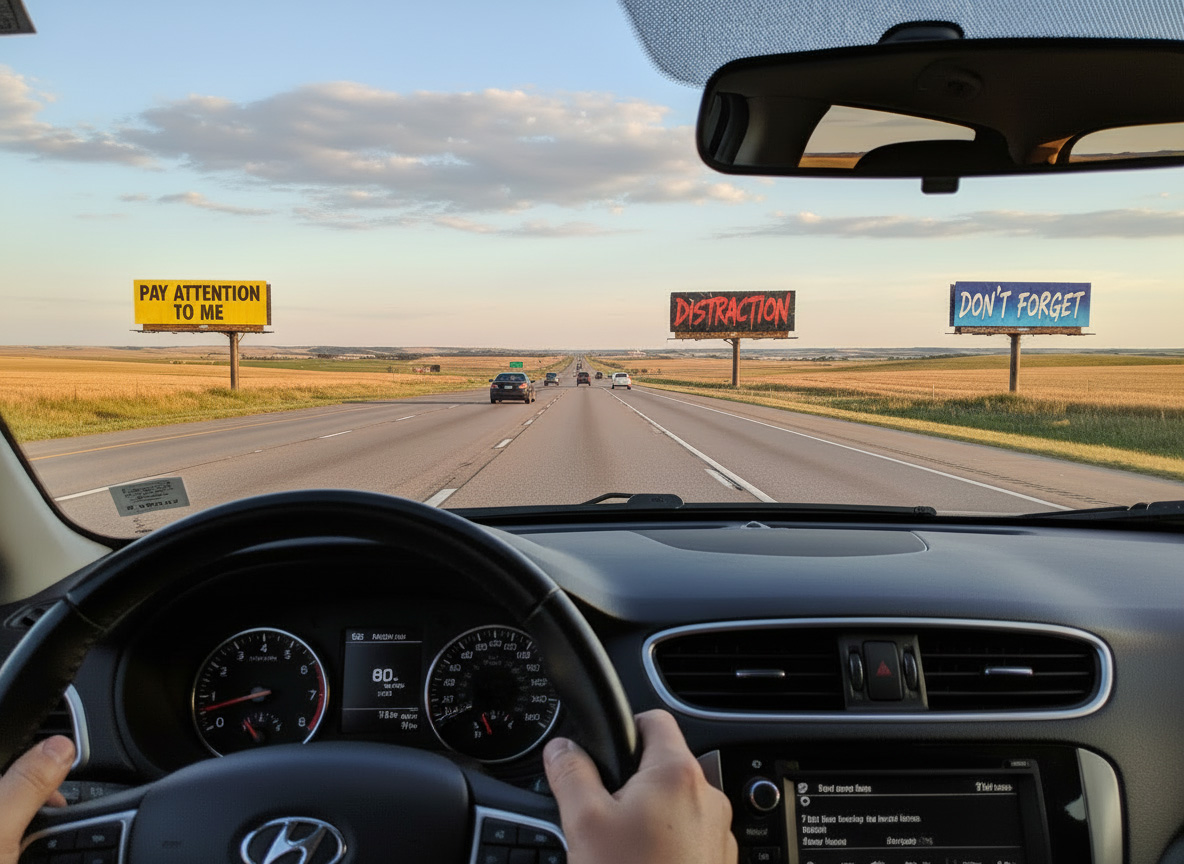
In a recent episode of the Emberwing Collective Podcast, we explored focus not as effort, but as narrowing. Focus is choosing the road. Intention is walking it. And neither can happen if your nervous system is stuck in survival mode.
When your system doesn’t feel safe, it will prioritize protection every time. That doesn’t mean you’re broken. It means your body is doing its job.
This is why so many people believe they’ve “failed” at meditation. They weren’t failing. They were dysregulated.
Mindfulness, when practiced with compassion, becomes a way to notice rather than override. To check in with thoughts, emotions, energy, and sensation and say, “Ah. This is where I am.” That noticing itself is focus.
From a Gestalt perspective, intention requires authority. You have to believe you’re allowed to change states. And if you can’t do that alone yet, it’s okay to borrow regulation from an ally. A dog resting beside you. A horse breathing nearby. A candle flame holding steady attention. Nature reminding you what neutral feels like.
Ritual matters because repetition builds pathways. Lighting a candle. Touching an object. Sitting in the same chair. These aren’t superstitions. They’re embodied cues that tell your system, “We’ve been here before. We know how this goes.”
And sometimes you’ll still get distracted. Sometimes you’ll pull off the road. Sometimes shit happens.That’s life. You move through it, adjust, and try again.
Focus and intention aren’t destinations. They’re practices. And the more gently you practice, the more accessible they become.